Professional Concrete Services: Specialist Stamped & Decorative Options by Trusted Concrete Contractors
Concrete solutions provide advanced stamped and decorative alternatives that can transform residential and commercial indoor and outdoor spaces. These services employ modern techniques to create designs that reproduce natural materials, providing a durable and low-maintenance alternative. Understanding the advantages and installation process is crucial for homeowners considering such enhancements. As they examine their options, the importance of selecting a reputable contractor becomes clear. What should homeowners consider before embarking on this journey?
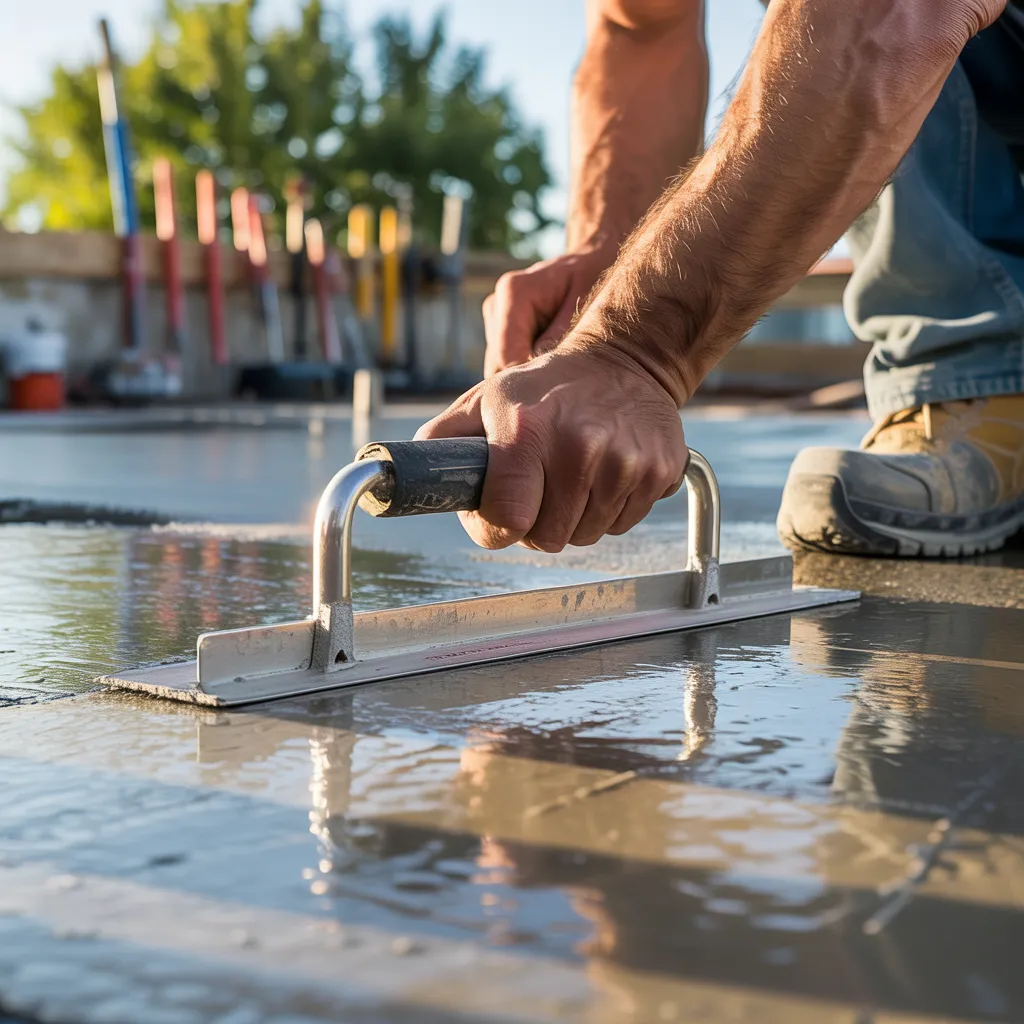
Understanding Stamped Concrete: Techniques and Benefits
Decorative stamped concrete has risen in popularity in recent years due to its visual appeal and long-lasting nature. This process involves the application of decorative designs to freshly poured concrete, allowing it to mimic the appearance of natural materials such as stone, brick, or tile. The process usually requires the use of molds or stamps, which are pressed into the surface before it sets.
One of the main advantages of stamped concrete is its potential to elevate outdoor spaces, providing an attractive alternative to traditional concrete. Moreover, it is more economical than using genuine stone or brick. The resilience of stamped concrete makes it perfect for various applications, including driveways, patios, and walkways. With appropriate maintenance, it can withstand harsh weather conditions and heavy foot traffic. Moreover, stamped concrete is available in a vast selection of colors and designs, making it a preferred choice for homeowners seeking distinctive and customized solutions.
Investigating Decorative Concrete Choices for Your Residence
Home dwellers progressively search for approaches to upgrade their outside and inside environments, and decorative concrete offers a variety of enticing alternatives. This versatile material can convert standard surfaces into remarkable centerpieces. Among the most popular choices are stamped concrete, which replicates the appearance of stone or brick, and stained concrete, which provides vibrant colors and unique patterns.
Additionally, homeowners can opt for polished concrete, recognized for its sleek, modern finish, or exposed aggregate, which showcases beautiful stones for a textured look. Decorative concrete can be applied to patios, driveways, walkways, and even interior floors, enabling seamless integration throughout the home. Moreover, it offers longevity and low maintenance compared to traditional materials. As homeowners actively explore innovative design alternatives, decorative concrete stands out as a fashionable and functional solution for elevating their living spaces.
The Procedure for Installing Stamped and Decorative Concrete
Setting up stamped and decorative concrete entails a thorough process that demands detailed planning and execution. First, the area is assessed and marked to ensure exact dimensions and layout. Next, the existing surface is prepared, which may include digging, grading, and compacting to create a stable base. Once the site is prepared, concrete is poured and leveled, providing an take the first step even surface.
Once the concrete attains the proper consistency, the next step is to apply the intended stamps and patterns. This step demands expertise to position the stamps properly and create the intended design. Next, color enhancers or stains can be applied to improve the overall look.
When the stamping is complete, a curing stage begins to ensure durability and prevent cracking. Lastly, a sealant is applied to protect the surface and improve its longevity. This thorough process produces stunning stamped and decorative concrete that elevates any indoor or outdoor space.
Care Guidelines for Long-Lasting Decorative Concrete
The attractiveness and strength of decorative concrete can be substantially boosted through correct maintenance practices. Routine cleaning is crucial; using a leaf blower or a broom assists in eliminating debris, while intermittent pressure washing can eradicate stubborn stains. It is advisable to use pH-neutral cleaners to protect the surface finish. Sealing decorative concrete every one to three years offers a protective layer against water and ultraviolet damage, maintaining its aesthetic appeal. Additionally, it is vital to address surface imperfections promptly. Filling these imperfections prevents further deterioration, ensuring the longevity of the surface. During cold months, using sand or gravel instead of salt for traction can help prevent surface damage caused by harsh chemicals. Finally, shading the concrete from direct sunlight can decrease fading, maintaining its vibrant appearance over time. By following these maintenance tips, homeowners can enjoy beautiful and long-lasting decorative concrete surfaces for years to come.
Selecting the Right Concrete Contractor for Your Construction Project
How does one ensure a successful concrete project? Picking the right concrete contractor is vital. Prospective clients should begin by examining contractors with experience in particular project types, such as stamped or decorative concrete. Checking online reviews and testimonials can deliver insights into their reliability and quality of work.
It's also crucial to verify licenses and insurance to ensure compliance with regional requirements and safeguarding against potential liabilities. Speaking with contractors for detailed discussions about project expectations can help assess their communication skills and professionalism. Moreover, getting multiple quotes provides a comparative analysis of pricing and services offered.
In the end, a competent contractor should provide an detailed portfolio showcasing previous projects, demonstrating their proficiency and aesthetic abilities. By meticulously examining these considerations, property owners can confidently select a contractor, ensuring a prosperous and satisfactory concrete project.
Common Questions
How Long Can You Expect Stamped Concrete to Last?
Stamped concrete commonly lasts between 25-30 years when correctly installed and maintained. Conditions such as climate, usage, and care can affect its durability, making routine maintenance essential for extended lifespan.
Can You Install Stamped Concrete Over Existing Concrete?
Yes, stamped concrete can be installed over existing concrete, assuming the surface is in solid condition. Proper preparation, including cleaning and repairing damage, guarantees a successful application and improves the durability of the new layer.
What Colors Are Available for Decorative Concrete?
A wide variety of colors is available for decorative concrete, including pastels, earth tones, and bold colors. These options allow for creative expression, allowing homeowners and designers to establish unique aesthetics suited to their preferences.
Does Stamped Concrete Become Slippery When Wet?
Stamped concrete may present slippery conditions when wet, especially with a smooth finish. Nevertheless, traction can be enhanced through textures and sealants. Selecting the right finish and proper maintenance can reduce potential slipping hazards.
How Long Before I Can Walk on New Concrete?
Generally, you can walk on newly installed concrete after 24 to 48 hours. Nonetheless, full curing may take up to 28 days for optimal strength and durability, so it's recommended to exercise caution during this period.